introduction: when deploying vps in the kt computer room in south korea, e-commerce and live broadcast have different requirements for bandwidth and stability. this article focuses on the vps configuration selection, bandwidth model, network optimization and testing methods of south korea's kt computer room to help decision-makers make reasonable configurations based on cost-effectiveness and performance.
when choosing a kt computer room in south korea, you need to evaluate the physical routing and international egress delays from the computer room to the target user group. e-commerce attaches great importance to request response and database access delay, while live broadcast emphasizes uplink stability and packet loss rate. it is recommended to evaluate the delay distribution and jitter through multi-point ping/traceroute and real business testing.
bandwidth is usually divided into modes such as exclusive and shared, peak billing and fixed bandwidth. e-commerce companies need to ensure peak bandwidth during high-concurrency promotions, while live streaming pays more attention to sustained upstream bandwidth and support for burst traffic. when choosing, you should first confirm the bandwidth guarantee, burst capacity and traffic billing details to avoid traffic capping or jitter that affects the user experience.
vps configuration needs to be adjusted according to the type of business: e-commerce focuses on databases and concurrent requests, and recommends higher cpu cores and reliable random access performance; the live broadcast side needs to handle video packaging and streaming, emphasizing single-thread performance and i/o throughput. disks should be selected with stable iops and backup strategies to ensure data consistency and recovery capabilities.
e-commerce focuses on concurrent requests, database performance and caching strategies. it is recommended to configure sufficient memory for the cache and application layer, use disks with higher io performance, and enable read-write separation or master-slave database architecture. combined with load balancing to reduce single-point pressure and configure monitoring alarms to ensure stable promotion periods.
live streaming is sensitive to upstream bandwidth, packet loss, and jitter, so priority must be given to ensuring a stable upstream channel and sufficient bandwidth. if there is a need for transcoding, you should consider instances with gpus or high-frequency cpus, and combine them with edge cdn to reduce latency and buffering. implement rate control and connection concurrency limits to prevent single-point congestion.
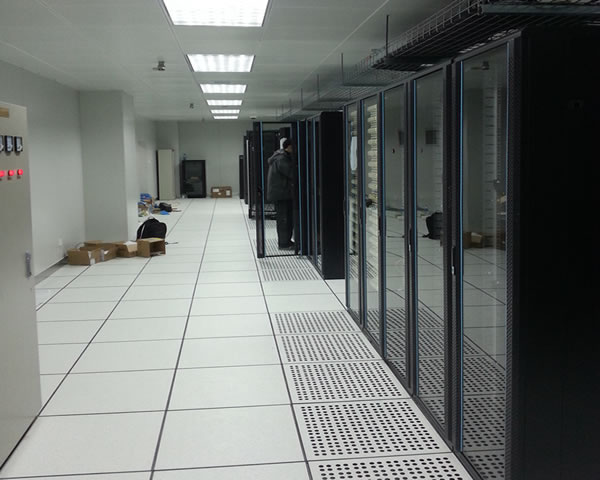
caching static content through cdn can significantly reduce the bandwidth pressure on the origin site, which is especially effective for e-commerce static resources and live broadcast on-demand. load balancing is used to spread out requests and enable failover. for cross-region users, it is recommended to deploy multiple nodes and enable intelligent scheduling to improve nearby access experience and disaster recovery capabilities.
stress testing, long-term stability testing and real traffic playback should be conducted before and after going online, focusing on monitoring throughput, latency, packet loss and cpu/memory bottlenecks. establish a log and alarm system, set sla indicators and regularly practice the expansion process to ensure rapid expansion and recovery when encountering sudden traffic.
summary: when choosing a vps configuration in the kt computer room in south korea, first evaluate the target user location and latency, and then select the bandwidth mode and hardware specifications based on the business characteristics of e-commerce or live broadcasting. combined with cdn, load balancing and complete testing and monitoring mechanisms, a scalable deployment strategy is formed. it is recommended to verify in stages and reserve expansion space to cope with business peaks.
- Latest articles
- Recommendations For Establishing Audit And Security Incident Response Processes For High-defense VPS Logs Without Filing In Hong Kong
- From The Perspective Of SEO Optimization, Are Cambodia Servers Useful? Their Potential Impact On Rankings
- Analysis Of The Impact Of The U.S. Cluster Server Bandwidth Billing Model On Long-Term Costs
- How To Temporarily Scale Up During Peak Activity By Purchasing A Korean Cloud Server For One Day
- An Operations Perspective Analyzes The Key Points Of High-availability Architecture And Disaster Recovery Design For High-protection Servers In The United States
- Common Customer Questions And Strategies For Promoting Japanese Cloud Servers
- Experts Provide A Detailed Overview Of Several Common Deployment Methods For Hong Kong Server Clusters In The Market
- How Much Does Broadband Cost In Hong Kong Data Centers Compare To Domestic And International Network Latency?
- The Law Reminds Chinese People On How To Trade On Korean Servers And Pay Attention To Compliance In Cross-border Transactions
- Cost And Performance Comparison Analysis: Should You Choose Direct Connection Via Thai VPS Or Agent Transfer?
- Popular tags
-

Yitanyun Korean Server Performance Evaluation And User Feedback Analysis
this article conducts a comprehensive performance evaluation and user feedback analysis of yitan cloud korean servers to help users choose the appropriate server. -

Purchasing List: Which Korean Cloud Server Is The Best? Selection Guide From Bandwidth To Support Services
purchasing list: which korean cloud server is the best? selection guide from bandwidth to support services: from bandwidth and network quality, latency and nodes, resource expansion, to localized support and compliance, practical purchasing points and suggestions are given. -

Comparison Of The Advantages Of Korean Cn2vps And How To Choose The Most Suitable One
this article compares the advantages of south korea's cn2vps in detail to help you choose the most suitable vps service.